
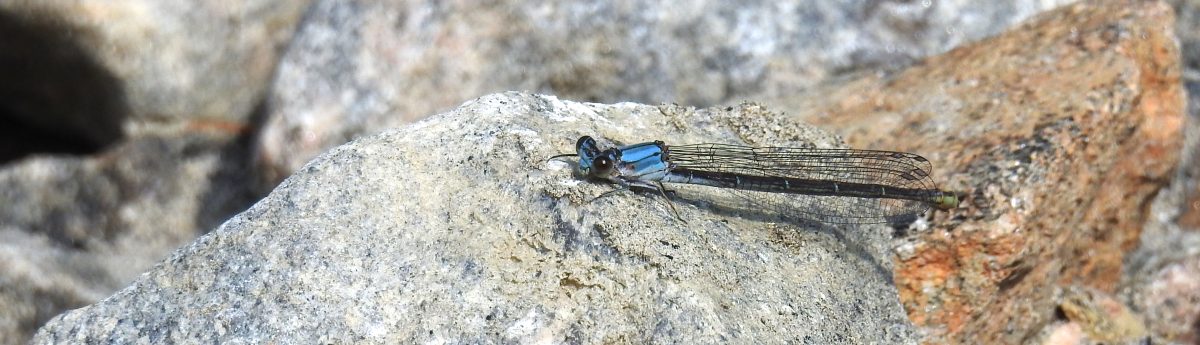
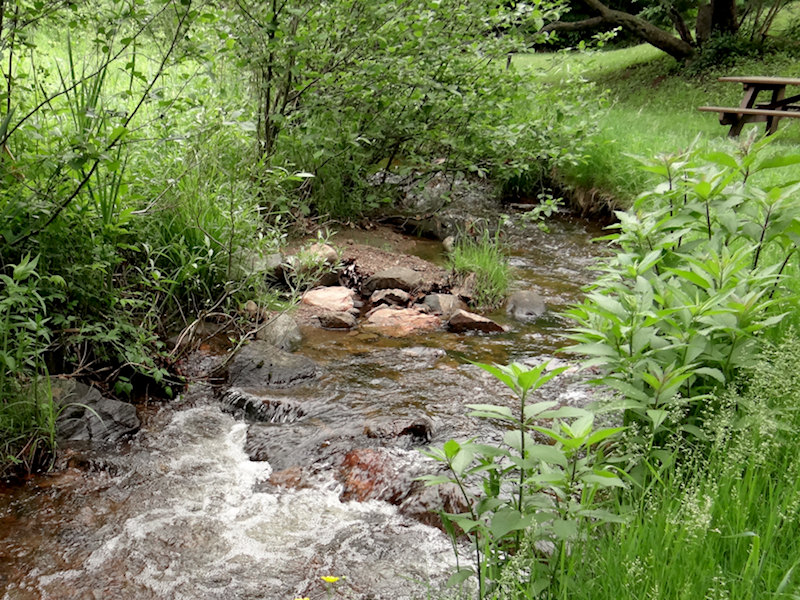
Gatineau Park is one of the brightest gems of the National Capital Region. Administered by the National Capital Commission, this wedge-shaped wilderness park is the largest green space in the NCR with an area of more than 361 square kilometres, including parts of the city of Gatineau and the municipalities of Chelsea, Pontiac, and La Pêche. The park attempts to balance human recreation with conservation, protecting a variety of habitats while allowing activities such as camping, swimming, boating, hiking, dog-walking, mountain biking, fishing, skiing and snow-shoeing. As it is the second-most visited in park in Canada, receiving over 2.6 million visits every year, it is continually under threat from ecosystem degradation, biodiversity loss, and destruction of natural habitats. This is compounded by the fact that the park isn’t big enough to accommodate each activity is its own designated space, so many spaces are shared, leading to the creation of unofficial trails and conflicts among users. Passive recreational activities, such as bird-watching, nature photography, and forest bathing (and, presumably, ode-hunting) are acknowledged as “overlooked” activities on the official NCC website, but are otherwise ignored by the NCC as it seems to chiefly encourage active recreation. The NCC has tried to preserve the delicate balance between conservation and recreation by permitting activities such as camping, fishing, swimming, biking, and dog-walking only in designated areas, by prohibiting activities outside the official trail network, and by limiting motor vehicle access to the Champlain, Fortune and Gatineau parkways during specific times of the week. This is supposedly to protect wildlife and allow people to “fully enjoy what the park has to offer in a car-free environment,” but it certainly makes it difficult to study wildlife when you are limited in when you can bring your car stuffed full of dragon-hunting gear.
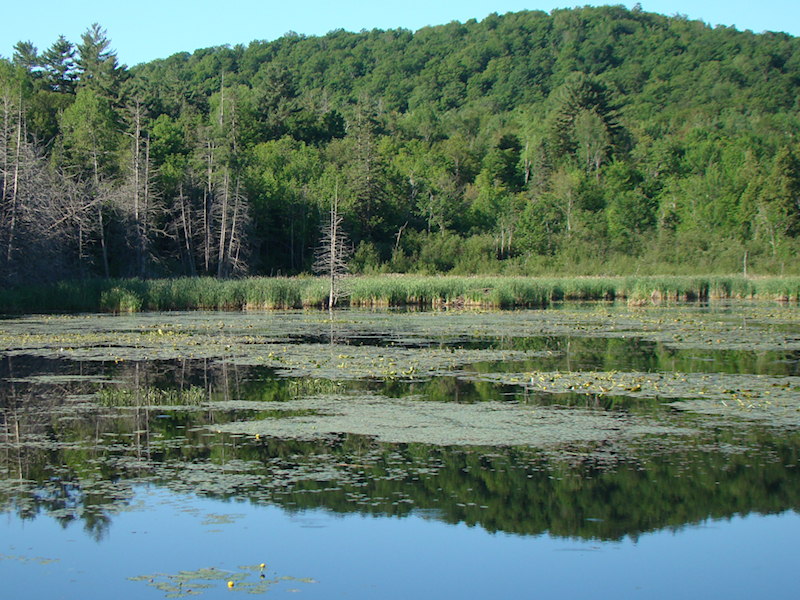
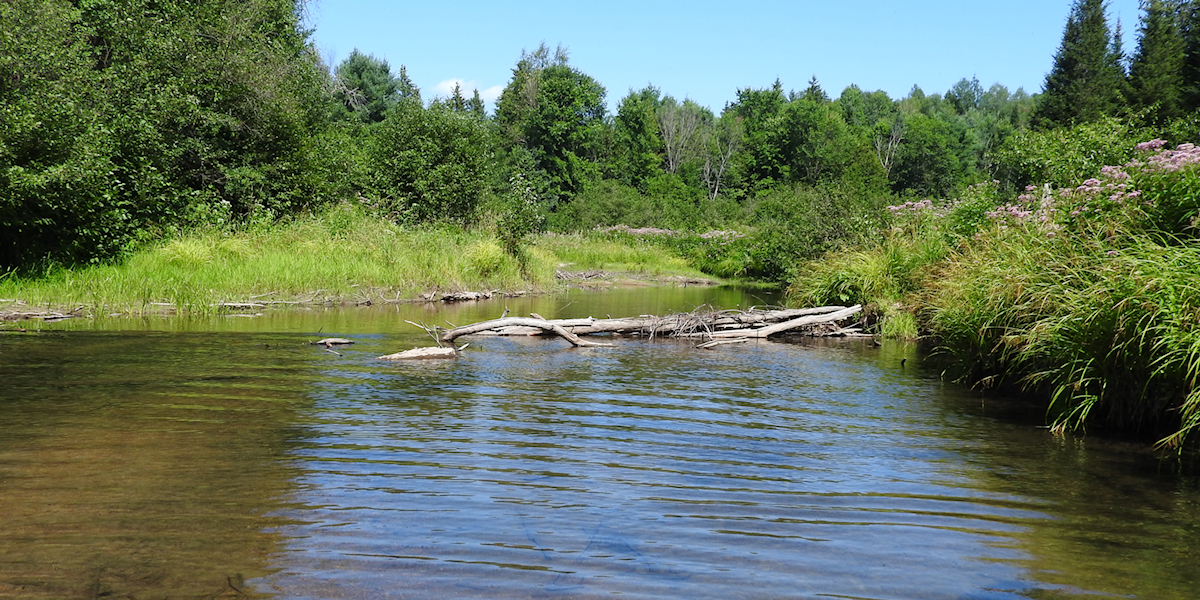
Still, it is a great place for wildlife viewing, as the park combines many different habitats: mountains, forests, streams, marshes, swamps, bogs, pastoral landscapes, and more than 50 lakes. Two ecosystems are particularly valuable due to the number of species at risk they shelter. The first ecosystem includes the Eardley Escarpment, Eardley Plateau, Meech Lake, Harrington Lake, Philippe Lakes, La Pêche Lake and Pink Lake Plateau; it is considered the richest and most fragile ecosystem in Gatineau Park. At 270 metres high and 30 kilometres long, the Eardley Escarpment divides the rock of the Canadian Shield from the fertile St. Lawrence Lowlands, and the microclimate of its southern face allows many unique and rare species to flourish – more than half of Gatineau Park’s 145 species at risk are found here. The second habitat is the Lac-des-Fées and Folly Bog area. Folly Bog is a sphagnum bog which hosts a significant number of bog species not easily found elsewhere in the region. The variety of wetland habitats within the park make it a great place to find a variety of odonata species here, including quite a few not found on the flat southern side of the Ottawa River.
There are multiple entrances into Gatineau Park, and no payment is necessary to access hiking trails. However, there is a fee to access some of the parking lots and boat launches, such as the beach parking lots and Mackenzie King Estate. Because some of the parkways may be closed to vehicular traffic, it is always best to check ahead as to whether you can get to your destination by car. Currently vehicles are allowed on Wednesday from 8:00 am to dusk, as well as weekends and holidays from 12:00 noon until dusk. One alternative is to take the free shuttle that runs from Ottawa’s Pīndigen Park near the Pimisi LRT station into the park, where it stops at multiple locations including Pink Lake, the Mackenzie King Estate, King Mountain, Champlain Lookout, and Visitor Centre in Old Chelsea. It runs every 30 minutes on Mondays, Tuesdays, Thursdays and Fridays (except holidays). On weekends you can connect with the Lac Phillippe shuttle to access points further north, though there are only three shuttles each way per day to Breton Beach on Lac Phillippe.
As Gatineau Park encompasses some of the wildest areas of the National Capital Region, seeing wildlife is quite common. This includes wolves, coyotes, moose, fishers, river otters, and black bears. To prevent conflicts with wildlife, never approach an animal too closely or block its passage. While black bears rarely attack humans, you can decrease your chances of running into one by making noise as you hike – they are apt to leave quietly in order to avoid confrontation. If an animal appears to be too curious about you and approaches, yell, wave your arms, and throw rocks or sticks at its face. An energetic and vigorous defence will encourage the bear to leave, whereas playing dead will not. It is important to be prepared as cell phone service may not be reliable deep within the trail systems of the park.
Potential Trails to look for Odonata
Short and Easy:
- Dunlop Trail – 0.5 km. This small trail gives access to Fortune Creek. I have seen spiketails behind the picnic area.
- Lac des Fées – 1.0 km. Interpretive trail with lookout. Great trail along the shore of Lac des Fées, though I have not been here personally.
- Sugarbush Trail – 1.9 km loop – Known primarily as a nice walk through the forest near the Old Chelsea Visitor Centre, you can access Chelsea Creek here. It is unofficially (no, not really!) known as “Clubtail Trail” because of all the clubtails that abound here. One of my favourite spots in the park, I saw my lifer Mustached Clubtail here.
A Little More Difficult:
- Champlain Trail – 1.1 km loop. Explores the top of the Eardley Escarpment at Champlain Lookout.
- Pink Lake – 2.3 km loop with several sets of stairs. Circles a beautiful turquoise lake.
- Lauriault Trail and Waterfall – 4.5 km loop. Visits a lookout on the Lauriault Trail and Bridal Veil Falls.
Specialties
- Link to list of Odonata Species found at Gatineau Park
- Link to map of sightings in iNaturalist
A park this big is home to many different odonates. As of summer 2025, the list from iNaturalist stands at a total of 86 species. However, if it has any specialties, it would be the stream- and creek-loving species such as Fawn Darner, Mustached Clubtail, Beaverpond Clubtail, Harpoon Clubtail, Eastern Least Clubtail, Maine Snaketail, Zebra Clubtail, all three spiketails, Clamp-tipped Emerald, and Uhler’s Sundragon that are either very difficult to find or altogether absent on the Ontario side of the Ottawa River. However, with its many lakes and marshes, it’s also a terrific spot to see a number of different darners, as well as Dragonhunters, Stream Cruisers, Slaty Skimmers, and Crimson-ringed Whitefaces. This park holds tremendous potential; it was here that the most recent addition to the Ottawa-Gatineau checklist was found – the Riffle Snaketail.
Related Blog Posts:
 OdoNotations