
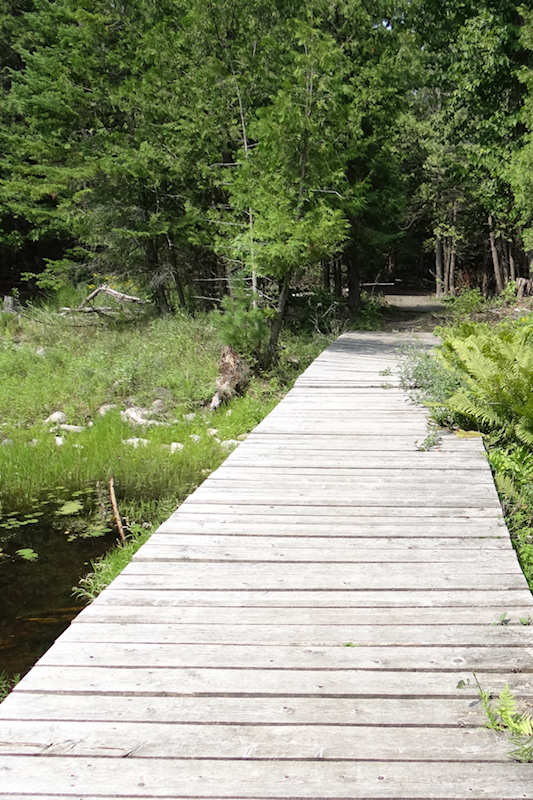
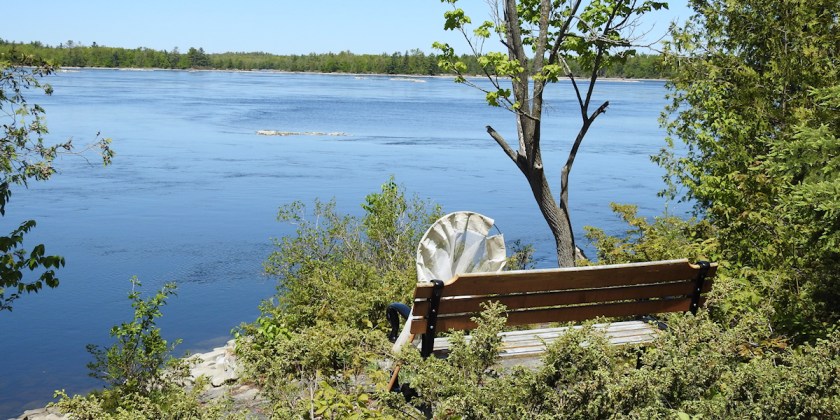
Morris Island Conservation Area is located on the Ottawa River west of the city between Arnprior and Fitzroy Harbour. Located at 156 Morris Island Drive off Logger’s Way, the site is open from dawn to dusk and consists of 6 kilometres of trails running through 47 hectares of forested woodlands and wetlands. The trails of the wooded interior remind me of Algonquin Park with its huge exposed slabs of bedrock, roots twisting across the trails, and tall coniferous and deciduous trees. These trails pass through the occasional small clearing and look out onto scenic inlets and bays along the river.
The conservation area is jointly owned by the City of Ottawa and Ontario Power Generation and managed by the Mississippi Valley Conservation Authority. There is a large paid parking lot at the entrance to the conservation area; payment is made by machine which takes coins and credit only. The parking fees help pay for ongoing maintenance at the conservation area, which I fully support as this is the only place I visit regularly in the Ottawa region which has a large washroom complete with electricity and running water (a real luxury to a birder/naturalist)!
Morris Island is considered an island because it is cut off from the mainland by a channel (called a snye) running between the Ottawa and Mississippi Rivers. It has been designated as a Provincially Significant Area of Natural and Scientific Interest (ANSI) for Life Sciences, and its owners recognize the site as having considerable natural and environmental value, which limits the permitted recreational land uses. Currently the following recreational activities are permitted: boating, hiking, dog-walking, fishing, birding, skiing, and snowshoeing. Accessible trails, picnic areas, and fishing platforms are provided in order to contribute to the enjoyment of these activities.
I started visiting the conservation area in 2011 after hearing about it from my mentors Chris Lewis and Bob Bracken. My first visit in August 2011 was a solo outing; I was eager to explore the area after being told that it is quite similar to Petrie Island and has a good variety of odonates.
Specialties
- Link to list of Odonata Species found at Morris Island CA
- Link to map of sightings in iNaturalist (from the Morris Island CA Bioinventory Project)
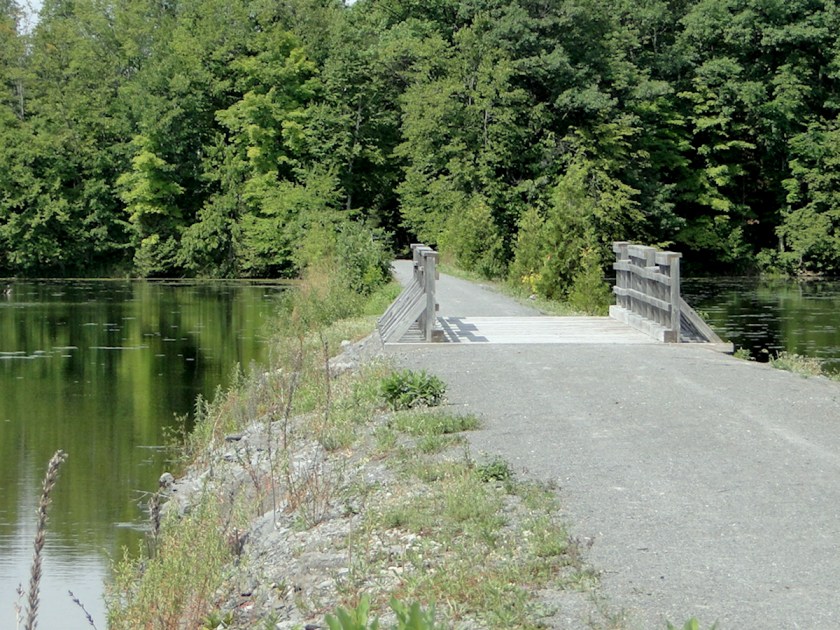
The best thing about Morris Island is its location on the Ottawa River and its variety of odonate species in different families. The only family not represented here is Cordulegastridae (the spiketails), which is not surprising given that there are no creeks within the conservation area. Most dragonflies are found along the causeway, though the sunny openings in the woods – including the parking lot! – and a small sunny marsh at the very end of the causeway trail are great places to see a variety of different species.
Morris Island used to be the best spot in Ottawa to see the Halloween Pennant; it is where I got my lifer. While the causeway is still an excellent spot to find them, they have been turning up at Marlborough Forest, Andrew Haydon Park and Bruce Pit much closer to home.
Uncommon darners have been found here, such as Springtime Darner and my lifer Cyrano Darner (caught in flight near the bathroom in the parking lot).
It is a terrific spot for clubtails as well, especially the river clubtails both big and small. Lancet Clubtail is the most common small clubtail, though both Dusky and Ashy Clubtail have been found here, too. Dragonhunter, Black-shouldered Spinyleg, Cobra Clubtail, Midland Clubtail and Lilypad Clubtail have all been seen here with varying degrees of frequency, with Dragonhunter and Cobra Clubtail being the least common of the group. Elusive Clubtail has also been reported from the conservation area.
Although so far only the common emerald species have been reported in the conservation area on iNaturalist, there is a tantalizing historical report of some rarer emeralds nearby. An eight-species roost of several hundred individuals was discovered on May 25, 2001 on the western side of Lavergne Point on Morris Island. The report in the defunct publication Ontario Odonata notes that, along with approximately 30 Four-spotted Skimmers, the roost consisted of Spiny Baskettails (60%), American Emeralds (20%), Common Baskettails (10%), Uhler’s Sundragons (5%), Racket-tailed Emeralds (2%), Kennedy’s Emeralds (2%) and a single Forcipate Emerald. The conservation area and environs are worth checking for these species.
Other species
Morris Island Conservation Area is home to the usual pond and marsh skimmers but also provides terrific habitat for the less common Slaty Skimmer and Hudsonian Whiteface.
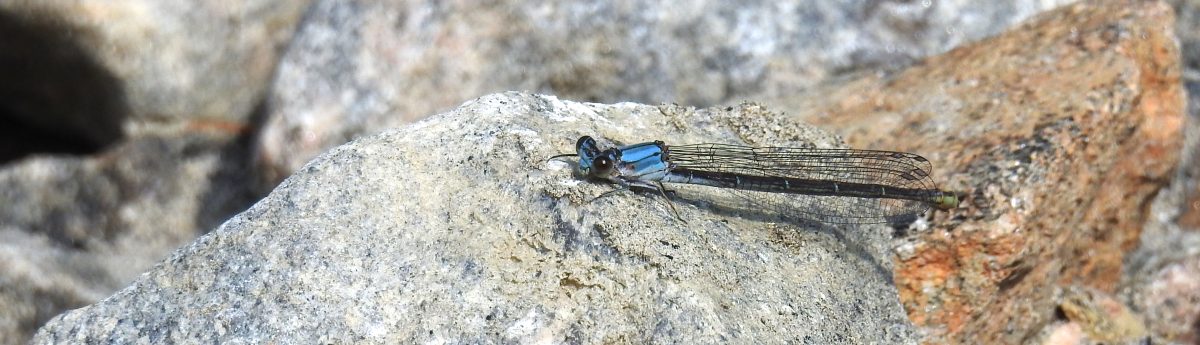
The list of damselflies at Morris Island is much shorter than expected for the type of habitat found there – my favourite is the Aurora Damsel found toward the end of the causeway trail – but the boat launch where Logger’s Way crosses over the Mississippi River Snye just outside of the conservation area can yield some fantastic species, including Ebony Jewelwing, Violet Dancer, Elegant Spreadwing and Amber-winged Spreadwing – it’s worth stopping there on your way to or from the conservation area. There is a small, steep parking area on the southeast corner before the bridge. Also watch for Dragonhunters, Black-shouldered Spinylegs, Lilypad Clubtails, Prince Baskettails, and Slaty Skimmers here.
 OdoNotations