
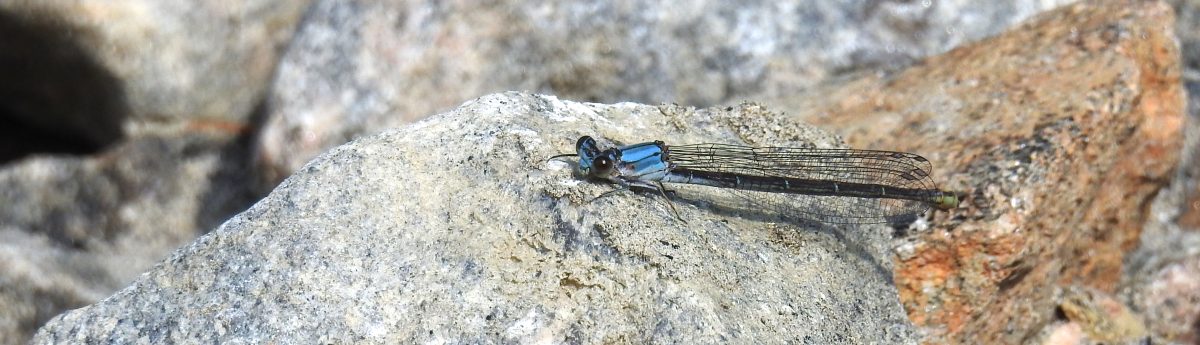
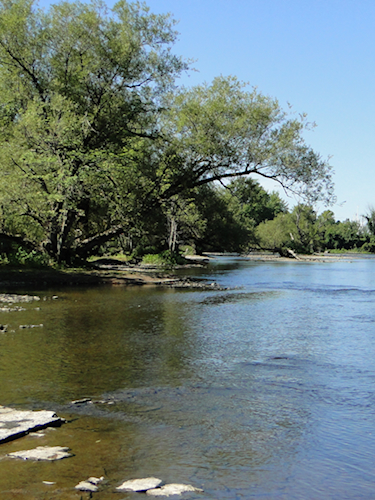
Officially known as the Britannia Conservation Area (BCA), this 79-hectare conservation area is bordered by the Ottawa River to the north and by residential and shopping districts to the south. It consists of woodland, riparian, wetland and upland habitats surrounding a large eutrophic pond known as Mud Lake. Its position in the middle of the concrete, steel and glass urban city on the Ottawa River makes it one of the largest bird migrant traps within the Ottawa area. As a result, Mud Lake has long been the best year-round birding hotspot in Ottawa. And where the birders go, the ode-hunters soon follow. In 2010, Bob Bracken and Chris Lewis published a list of the odonata found within the environs of the BCA1, which -standing at 58 species – made it one of the most diverse areas in the city. Since then Chris, Bob and I have added to that number, as have several enthusiastic nature photographers who publish their observations in iNaturalist. As of April 2025, the list on iNaturalist stands at 50 odonata species, which brings the total number of odonata at the BCA to 70 species! This makes it not only the place with the highest number of species for an area of its size, but also outnumbers the total number of species in all of the UK – which has only 57 recorded species!
The best spots to check are the shore along the river behind the ridge and on the east side of the water filtration plant, the shore all the way around the lake, the small pond in the southeast corner of the conservation near the creek, and the open “upland” habitats to the west and south of the lake for feeding dragonflies. Of course, odonates have wings, and winged things can turn up anywhere, so keep an eye out for Stream Cruisers patrolling sun-dappled forest trails at the south end of the conservation area, errant Ebony Jewelwings near the water on the wooded east side, and Harlequin Darners landing on people’s backs. (Yes, this happened. To my mentor. And surprisingly I was able to sweep it off her back and into my net without harming either of them!)
Most people park along Cassels Street on the north side of the lake, although there is limited parking along Howe Street south of the conservation area. While biting bugs are usually minimal, there is lots of poison ivy at the edge of the trail in much of the conservation area, so be careful where you step! Mud Lake is very popular with birdwatchers, nature-lovers, dog-walkers (allowed only on the city-owned property north of Cassels Street), and joggers wearing earbuds, so expect crowds on beautiful days in the summer, especially on weekends. The trails in the woods on the west and south sides can be very narrow and crowded, but the trail through the western sumac field, the loop around the filtration plant, and down the east side (if passable…it is often flooded in wet years) are much less visited. Despite the popularity of the conservation area, there still isn’t an outhouse or washroom on the premises, but a visit to Beachconers and the Britannia Coffeehouse on Howe Street just south of the paved bike path can provide relief, as well as the most delicious scones and ice cream in the neighbourhood.
Mud Lake Specialties
- Species list on iNaturalist (all odonate observations)
- Mud Lake iNaturalist Project (all flora and fauna; opt-in observations only)
- Complete list of odonata observed at Mud Lake
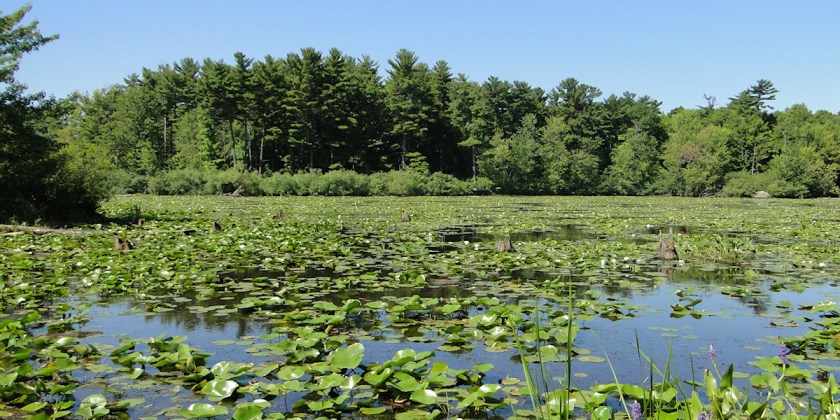
Mud Lake does not have any particular specialties, as most of the common species can be found readily elsewhere in the Ottawa area. What makes it special, however, is the large number and variety of species that are here, and it being a repeat site for all sorts of one-off sightings. All three damselfly families are represented here, and five of the six dragonfly families can be found here – the only one missing is the Spiketail family (Cordulegastridae) which requires small, flowing streams with sand or silt substrates for their larvae to burrow in.
Unusual darner species include the aforementioned Harlequin Darner, a handful of Lake Darners, and a Swamp Darner seen in the woods in June 2019.
The river attracts large clubtails such as Dragonhunter, Cobra Clubtail, Midland Clubtail and Black-shouldered Spinyleg, while the pond provides breeding sites for the smaller Horned and Lilypad Clubtails. The large dragonflies are not common, but if you spend enough time at Britannia Point you will see some big dragonflies flying over the river, and if you’re lucky, perching on exposed rocks on the northern side or in the vegetation overlooking the bay on the eastern side.
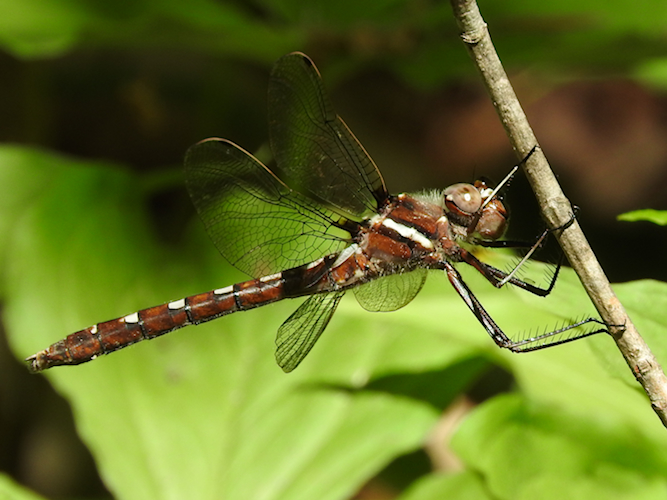
Mud Lake is one of the few places right in the city where you can find both Stream Cruiser and Swift River Cruiser, though the latter are not as common as the former.
Somatochlora emeralds are very rare, but of the two that have turned up, only one – a female Williamson’s Emerald hanging from a low branch in the Mud Lake woods on July 22, 2012 – has been identified to species. In comparison, baskettails are very common, and on the right day in May you can witness a mass emergence of Spiny Baskettails along the shoreline….just look for the delicate, translucent dragonflies with milky white wings decorating the branches of shrubs at the water’s edge, particularly near the large rocks on the south side.
Many skimmers eventually find their way here, including vagrants such as Black Saddlebags and recent checklist additions Eastern Amberwing and Blue Dasher, though only the latter stayed to breed. Spot-winged Gliders and Wandering Gliders are more common along the mudflats west of Mud Lake but have been known to show up.
Some species, like Lyre-tipped Spreadwing, Sweetflag Spreading, Springtime Darner, Dusky Clubtail, Slaty Skimmer and Calico Pennant have only been recorded once or only in one season and represent strays rather than breeding species.
- The checklist published in 2010 by Bracken and Lewis includes not only the Britannia Conservation Area, but also Britannia Bay and the shoreline of Lac Deschenes west approximately 2km to Andrew Haydon Park. This study area was expanded to provide a more useful basis for monitoring populations, and I have excluded those species that were found at Andrew Haydon Park and Lac Deschenes. Bracken, B. and Lewis C., 2010. Annotated List of the Odonata of the Britannia Conservation Area and Environs (Ottawa, Ontario), Trail and Landscape Vol.44 pp. 26-39. ↩︎
 OdoNotations