
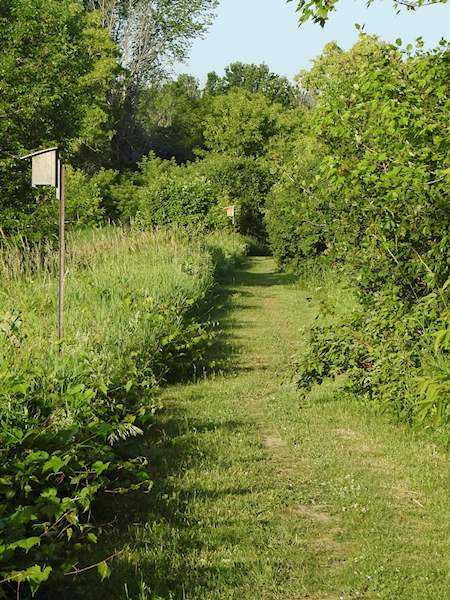
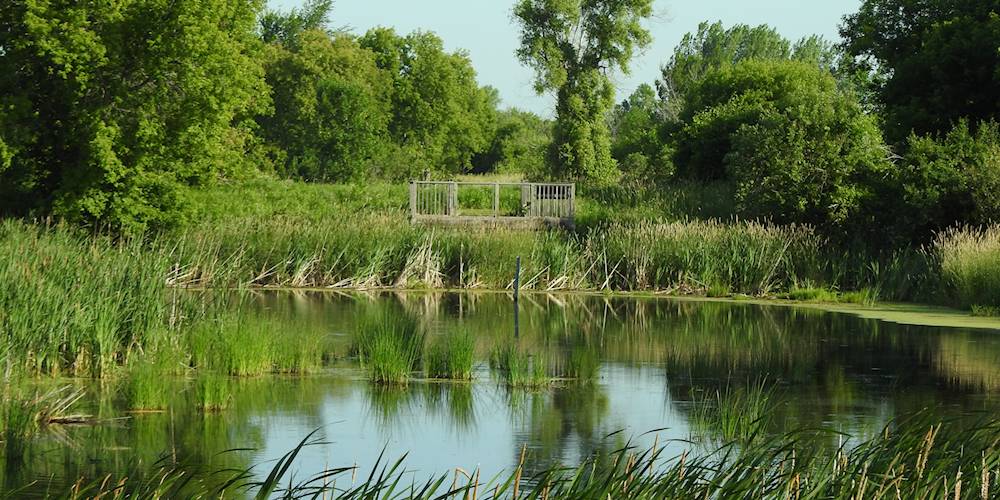
Formerly known as the Richmond Sewage Lagoons, this is another excellent birding spot that turned out to be an interesting spot for odonates. Consisting of 56 hectares, the conservation area is known for the three large former sewage lagoon cells that attract waterfowl and shorebirds in season, the Jock River behind a small forest at the back, meadows planted with young conifers, and small patches of regenerating forest. Up to four kilometers of pathways wind their way around the lagoons, through the forest, and along the river – though the vegetation along the Jock River has grown so thick that it is difficult to see the water. Located in the southwest area of the city near the village of Richmond, it is not as crowded as the parks and conservation areas along the Ottawa River. There is a parking lot on the west side of Eagleson Road just north of the intersection with Barnsdale Road that holds a small number of cars, though be warned deep ruts in the dirt usually form after the winter and take a long time to be repaired. There are no washroom facilities here, either.
There are two hazards which can make visiting the warm weather unpleasant. The first is the mosquitoes in the late spring and early summer. Although they are tolerable out in the open around the lagoons, the mosquitoes in the woods at the back are numerous and bloodthirsty. Normally mosquitoes don’t bother me too much, but this seems to be one of the worst places for them in all of Ottawa, and they are maddening. Dress accordingly and bring bug spray. If you are hunting for dragonflies and forgot your DEET, you can always put your insect net over your head for protection!
The second hazard is the Wild Parsnip that grows in abundance around the lagoons in late June and early July. These tall plants have flowers that resemble yellow Queen Anne’s Lace and can give you a burn just by brushing up against them. Unfortunately, the paths along the dykes become quite narrow as the vegetation grows over the summer, and the parsnip has started growing out over the trail making it difficult to squeeze by without touching it. In 2024 some of the plants were over 5 feet tall! This is not usually a problem if you wear long sleeves and pants, as the sap requires exposure to sunlight to cause skin burns.
Richmond CA Specialties
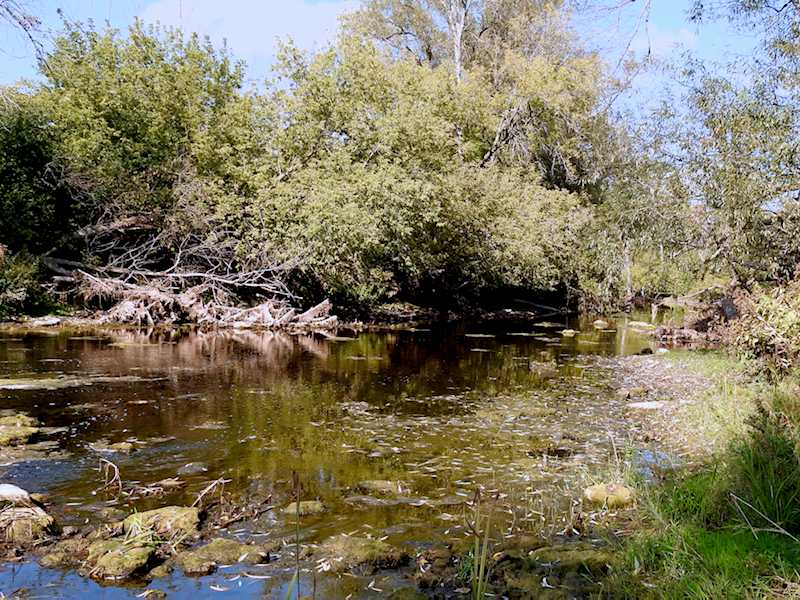
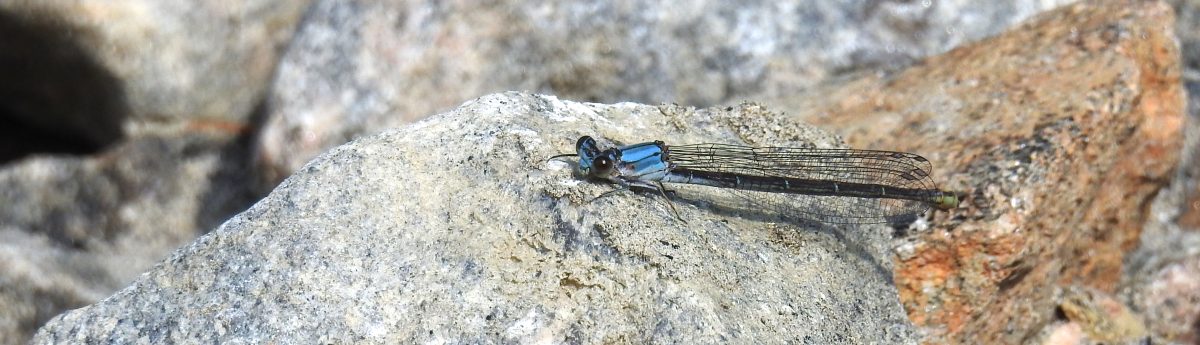
This spot is a great place to go birding in the spring and fall to look for migrants, but otherwise is one of those “nice to visit” places on my way to or from someplace else, such as Marlborough Forest. I have not spent much time documenting odonate species through the seasons – at least, not until I started participating in the Odolympics for the first time in 2023. When I do go ode-hunting there, it is usually to look for spreadwings in July, especially the Lyre-tipped Spreadwing which is not common in my area. Since I first saw this species here in 2013, the Richmond Conservation Area has become an annual destination in mid-summer to look for spreadwings and is a great spot to see at least six different species. It is also a good spot for other damselflies, including Violet and Powdered Dancers near the Jock River at the back of the trail, both Stream and Skimming Bluets near the back of the lagoons and along river as well, and the usual pond damselflies: forktails, Sedge Sprites, Marsh Bluets, and Hagen’s Bluets.
More damselflies have been recorded at the Richmond CA than dragonflies. Most dragonflies are the common skimmers found near ponds, and it is a great place for scaring up perching darners in the tall grass in the late summer – though so far I have only recorded Lance-tipped Darners here. Still, given its proximity to both marsh and river, I feel there should be much more diversity here than the 29 species on the list suggests. It is a place I hope to spend more time at in the coming season to increase those numbers!
Related Blog Posts:
- Richmond Lagoon Damselflies
- ‘Tis the Season for Spreadwings
- Damselfly Photography at Richmond Lagoons
- Lyre-tipped Spreadwings
 OdoNotations